
Key takeaways
- A simple, practical approach families can use right away
- Small changes that support independence, confidence, and curiosity
- Warm guidance that keeps learning joyful and child-led
The short answer
Children learn deeply when they feel safe, included, and trusted to explore meaningful experiences at their own pace.
The Foundation of a Caring Space
Before children can truly engage in learning, they need to feel safe, welcomed, and genuinely cared for. Creating a calm and caring learning environment isn't just about aesthetics or organization-though those matter. It's fundamentally about the relationships we build and the emotional safety we provide.
Warmth in Welcome
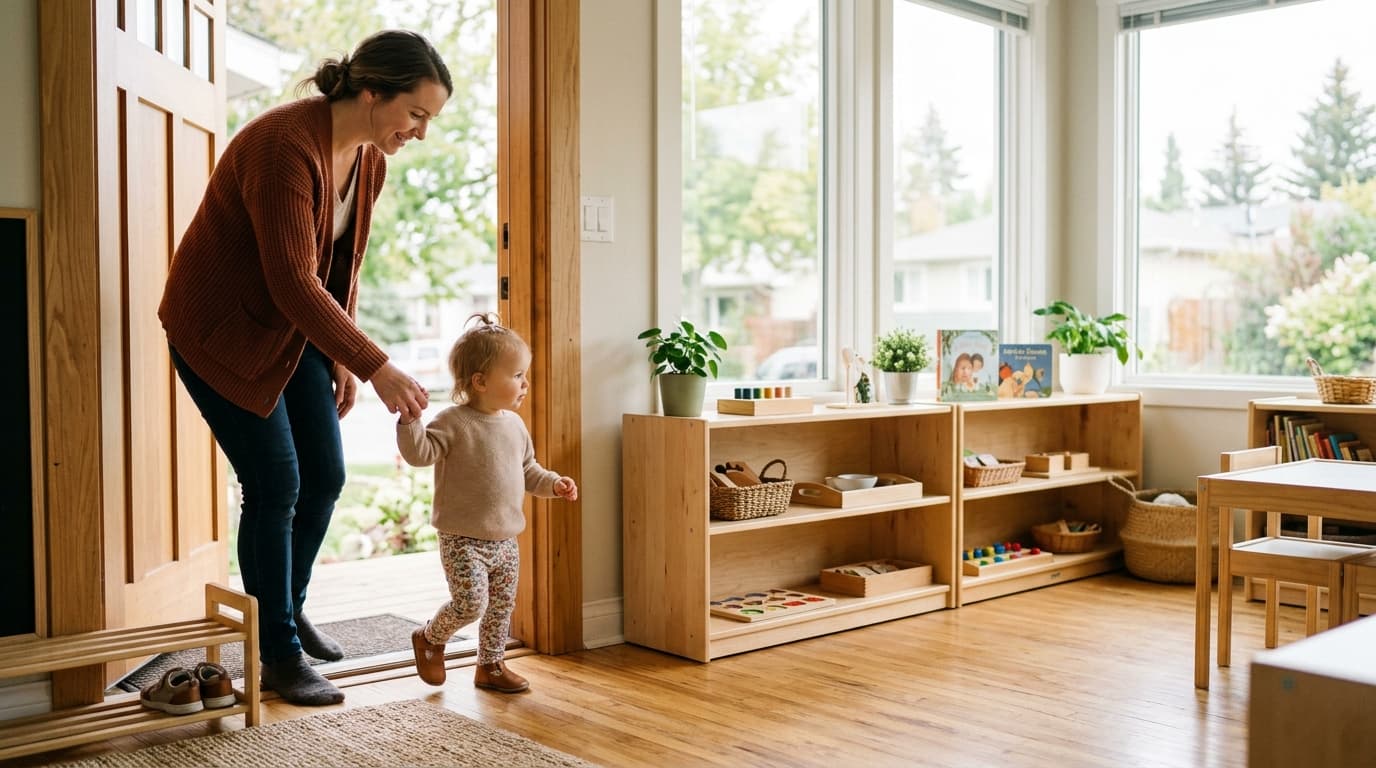
Each child deserves to feel that they belong. Simple practices like greeting each child by name, making eye contact, and showing genuine interest in their thoughts and feelings create an atmosphere of belonging from the very first day. When children feel welcomed, their nervous systems settle, and they're able to focus on learning.
Predictable Routines and Rituals
Children thrive with gentle structure. Predictable routines-a consistent arrival greeting, a circle time, a snack routine, a goodbye ritual-help children feel secure. When they know what to expect, they can relax and be themselves. These routines also create beautiful opportunities for connection and meaning-making throughout the day.
A Physically Calm Space
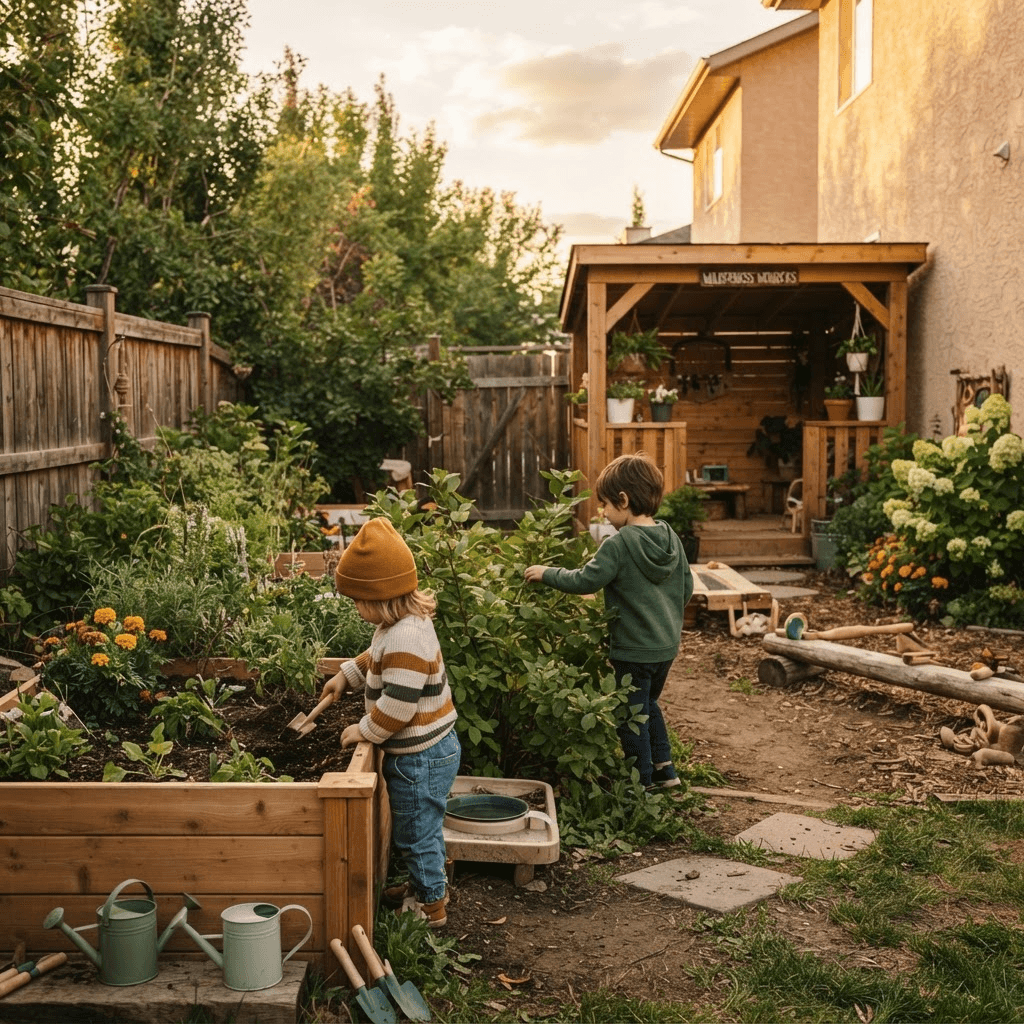
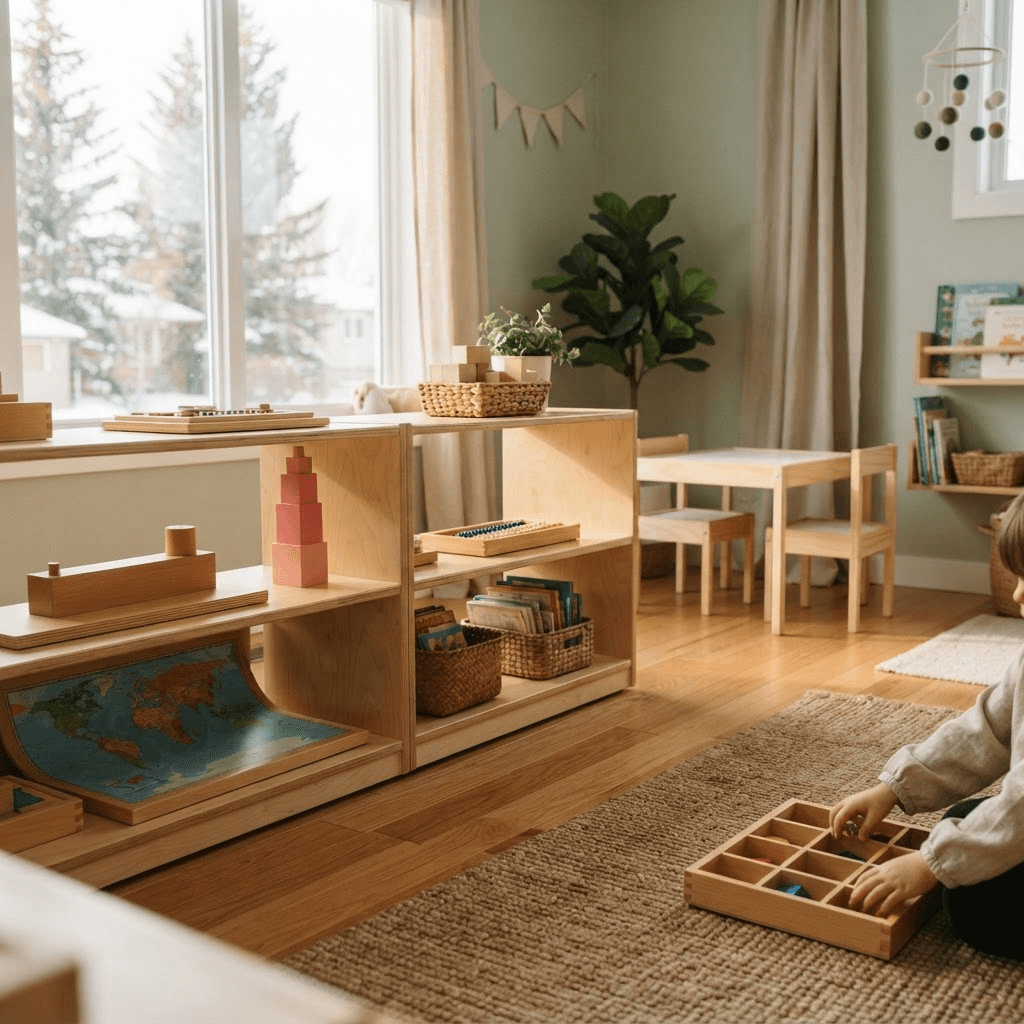
The physical environment shapes emotional states. A space with softer lighting, calming colors (think warm creams, gentle greens, and soft teals), natural materials, and minimal visual clutter helps children maintain calm. Access to cozy spaces, soft cushions, and elements of nature-plants, natural wood, natural light-all contribute to a sense of peace and safety.
Responsive, Attuned Guidance
Caring doesn't mean doing everything for children. It means being responsive to their emotional needs while gently challenging them to grow. It means validating feelings ("You're feeling frustrated with this puzzle") while supporting problem-solving ("What could we try next?"). This attunement-truly seeing and responding to each child-is the heart of a caring environment.
Space for All Feelings
In a truly caring environment, all feelings are welcomed. Rather than shaming children for big emotions, we create space for them. We offer comfort, validate feelings, and help children develop emotional vocabulary. Over time, children learn that feelings are normal, that they can be expressed safely, and that they will pass.
Connection Over Correction
When challenging behavior arises-and it will-a caring approach seeks to understand the root cause. Is the child tired? Hungry? Struggling with a skill? Seeking connection? When we address the underlying need with curiosity and compassion rather than punishment, we strengthen our relationship and help the child develop emotional regulation skills.
Celebrating Each Child's Unique Self
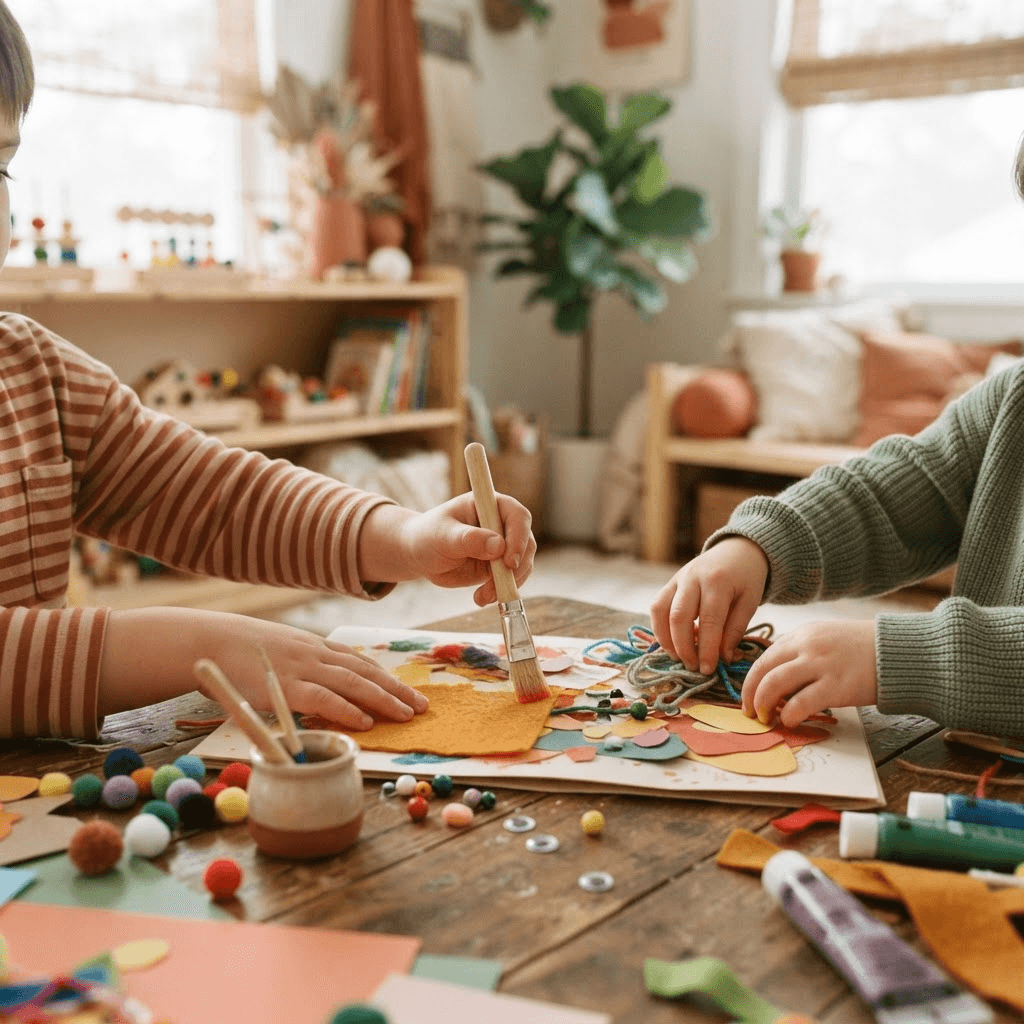
Every child is beautifully unique. In a caring learning environment, these differences are celebrated. Some children are quiet; some are expressive. Some need movement; some prefer focused work. Some learn visually; others through touch. When we appreciate these differences rather than trying to fit all children into one mold, we're saying, "You are valued exactly as you are."
Creating a calm and caring environment takes intention and consistency, but the rewards are immeasurable. Children who feel genuinely cared for develop confidence, resilience, and a love of learning that extends far beyond the classroom. They learn that they matter, that their feelings count, and that learning can happen in a place of warmth and safety.
Helpful answers
Common questions
How can I begin at home?
Start with one small routine or activity, observe what interests your child, and build from there without trying to change everything at once.
What matters most for children?
A warm relationship, clear boundaries, meaningful choices, and time to practice are more valuable than expensive materials or a perfect setup.
Enjoyed this story?
Share it with another curious family.