
Key takeaways
- A simple, practical approach families can use right away
- Small changes that support independence, confidence, and curiosity
- Warm guidance that keeps learning joyful and child-led
The short answer
Children learn deeply when they feel safe, included, and trusted to explore meaningful experiences at their own pace.
Understanding Montessori at Home
At the heart of Montessori education lies a beautiful philosophy: children learn best when they're given the freedom to choose, the space to explore, and the gentle guidance of a trusted adult. This approach works wonderfully in a home setting, where the pace is naturally slower and more responsive to each child's unique rhythm.
The Power of Practical Life
One of the cornerstones of Montessori learning is the emphasis on practical life skills. Rather than seeing household tasks as chores, children benefit tremendously from participating in everyday activities like folding laundry, setting the table, or helping with meal preparation. These aren't just life skills-they're opportunities for children to build independence, confidence, and competence.
Independence Through Prepared Environments
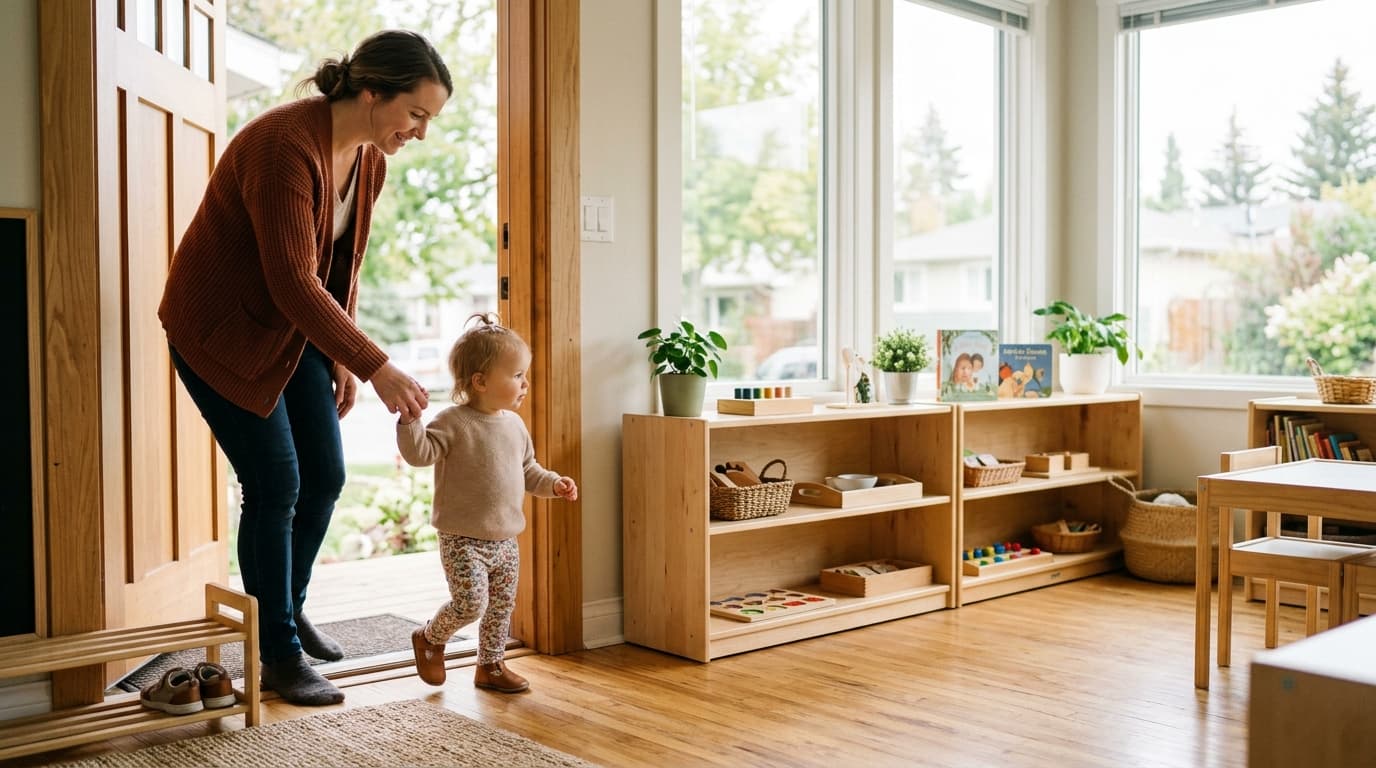
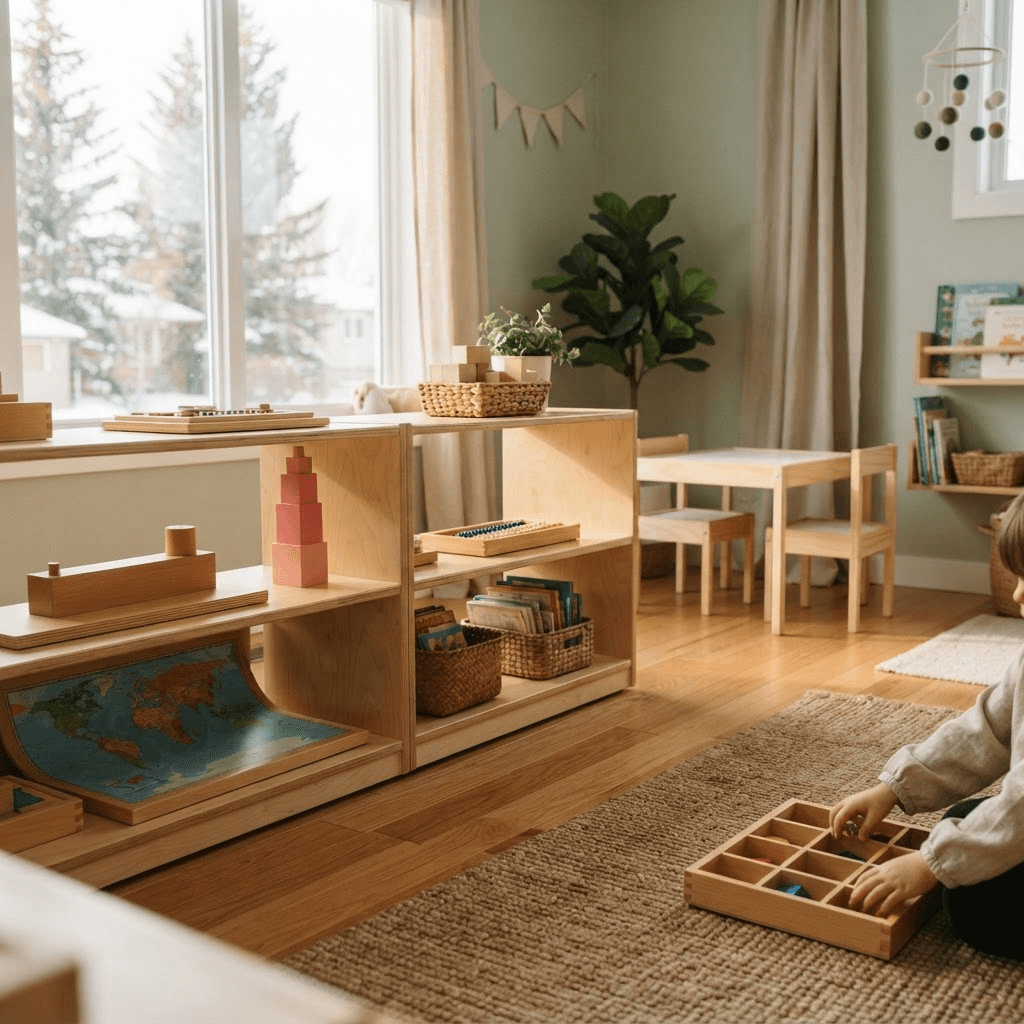
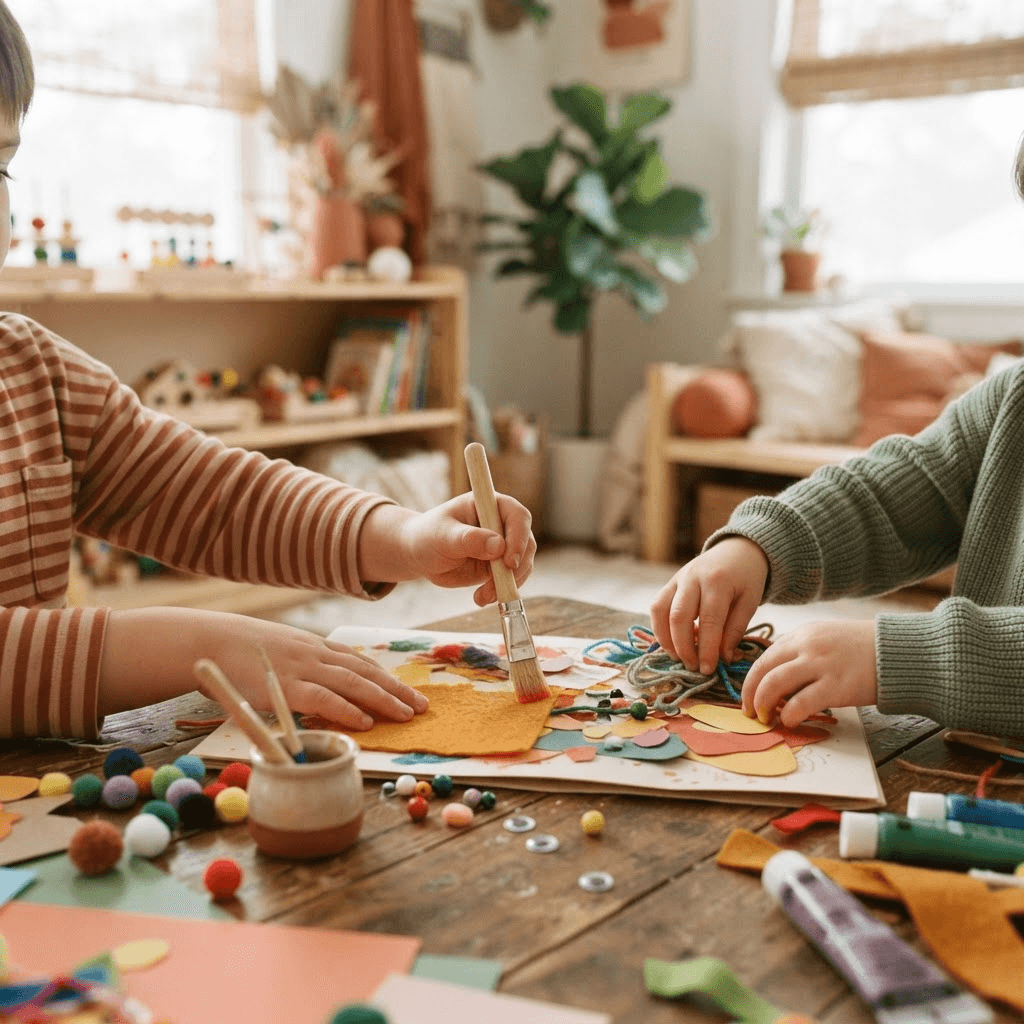
A Montessori-inspired home doesn't need to be elaborate or expensive. It's simply a space prepared with children in mind. Low shelves with open-ended materials, child-sized tools, and accessible resources allow children to make choices and learn at their own pace. When your child can reach their own water glass or select from their own book collection, they're exercising autonomy in the most natural way.
Hands-On Learning That Sticks
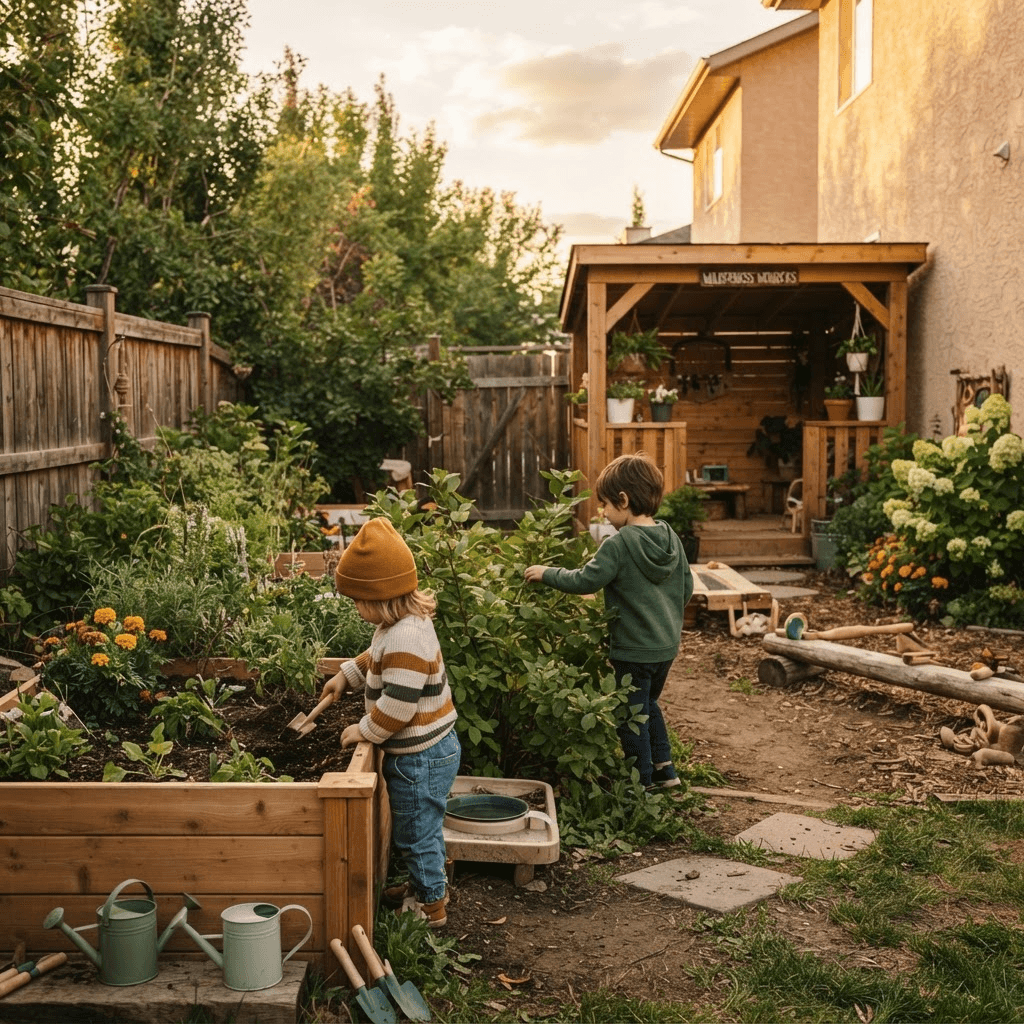
Abstract concepts become concrete when children can touch, manipulate, and experience them. Whether it's learning about numbers through beads, geography through puzzles, or science through nature observation, hands-on materials make learning memorable and joyful. There's nothing quite like seeing a child's face light up when they discover a concept for themselves.
The Observer Parent
Perhaps one of the most transformative aspects of Montessori at home is shifting our role from constant director to keen observer. When we watch and listen to our children, we learn what they're genuinely interested in, what challenges them, and where they need support. This observation helps us provide exactly what each child needs at the moment they need it.
Starting Your Montessori Journey at Home
You don't need to overhaul your entire home to bring Montessori principles into your family's life. Start small: choose one area, maybe the kitchen, and make it child-accessible. Include your child in meal preparation. Observe their interests and follow their lead. Create simple, beautiful materials. Most importantly, give yourself grace as you explore this approach.
The beauty of Montessori-inspired learning at home is that it's not about perfection-it's about honoring your child's natural desire to learn, explore, and grow. When children are given meaningful work, real choices, and the security of caring adults, they flourish in the most beautiful, organic ways.
Helpful answers
Common questions
How can I begin at home?
Start with one small routine or activity, observe what interests your child, and build from there without trying to change everything at once.
What matters most for children?
A warm relationship, clear boundaries, meaningful choices, and time to practice are more valuable than expensive materials or a perfect setup.
Enjoyed this story?
Share it with another curious family.