
Key takeaways
- A simple, practical approach families can use right away
- Small changes that support independence, confidence, and curiosity
- Warm guidance that keeps learning joyful and child-led
The short answer
Children learn deeply when they feel safe, included, and trusted to explore meaningful experiences at their own pace.
Nature as the Ultimate Classroom
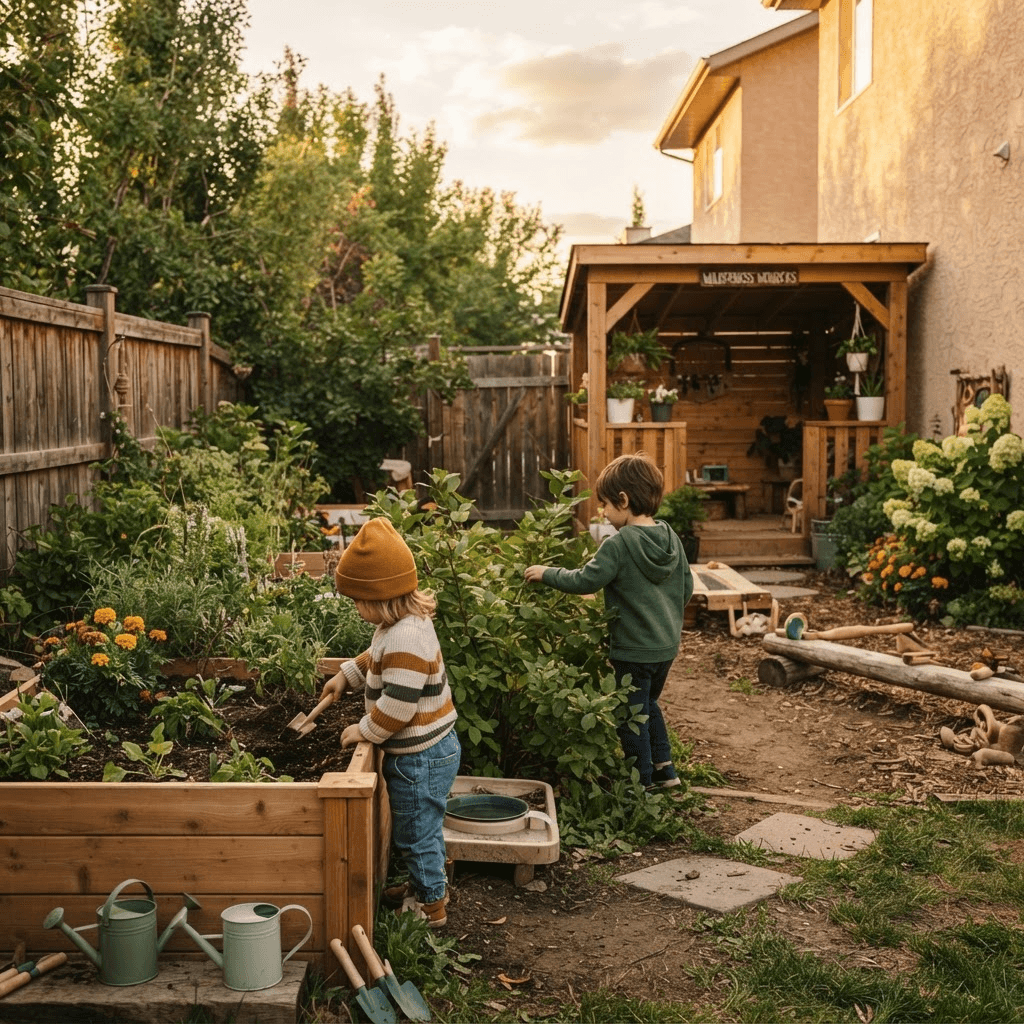
There's something magical about stepping outside with children. Fresh air, natural light, and open space seem to awaken their curiosity in ways that indoor environments sometimes cannot. The good news? You don't need special equipment or complicated plans to create meaningful outdoor learning experiences. Nature itself is the teacher.
Nature Collection Walk
Take a basket or bag and invite your child on a nature walk with the goal of collecting treasures. Leaves of different shapes, interesting stones, sticks, flowers-whatever catches their eye. Back indoors, sort and explore these finds together. Talk about textures, colors, and where they came from. This simple activity builds observation skills, vocabulary, and a deep appreciation for nature.
Sensory Exploration Stations
Create different "stations" around your yard or garden. One spot might be for water play with cups and funnels. Another could be for sand exploration. A third might invite climbing or balancing. By rotating through these stations, children engage their senses, develop gross motor skills, and entertain themselves for extended periods with minimal setup.
Bug Hunting and Observation
Children are naturally fascinated by small creatures. A gentle approach to bug hunting-using a clear container to observe before releasing-teaches respect for living things while satisfying curiosity. Spend time watching ants, observing butterflies, or listening to birds. These moments of patient observation are gifts of presence and wonder.
Movement in Nature
Outdoor spaces are perfect for free movement. Running, climbing, jumping, rolling-all the movements that children's bodies crave but that can be challenging in smaller indoor spaces. These activities aren't just fun; they're building strength, coordination, and confidence while allowing children to work off natural energy.
Seasonal Exploration
Each season offers its own gifts. In spring, watch things grow. In summer, explore shade and water. In fall, collect leaves and observe changes. In winter, create with snow. Regular outdoor time through different seasons helps children understand cycles, develop environmental awareness, and feel connected to the natural world.
The simplest outdoor activities-playing in dirt, splashing in puddles, watching clouds, listening to bird songs-are often the most meaningful. When we create space for unstructured outdoor play and exploration, we're giving our children something precious: time to wonder, discover, and simply be in nature.
Helpful answers
Common questions
How can I begin at home?
Start with one small routine or activity, observe what interests your child, and build from there without trying to change everything at once.
What matters most for children?
A warm relationship, clear boundaries, meaningful choices, and time to practice are more valuable than expensive materials or a perfect setup.
Enjoyed this story?
Share it with another curious family.